
Sibling Testing
A sibling DNA test can investigate whether two people are full siblings, half-siblings or unrelated. It is often used when the possible biological father is deceased, unavailable or unwilling to provide a sample.
For sibling testing, we strongly recommend including a sample from the known biological mother(s) if possible.
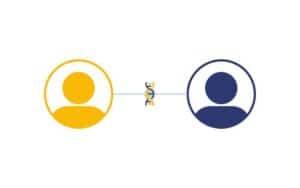
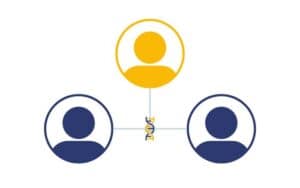
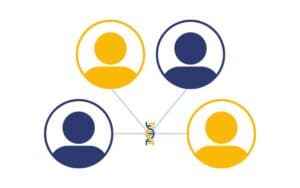
Sibling Testing Summary
A sibling DNA test can investigate whether two people are full siblings, half-siblings or unrelated. It is often used when the possible biological father is deceased, unavailable or unwilling to provide a sample. A direct paternity test remains the strongest option when the alleged father can participate, but sibling testing can provide valuable evidence when he cannot.
Sibling tests are more complex than ordinary paternity tests because siblings inherit different combinations of DNA from their parents. Including the known biological mother, or both mothers where relevant, helps the laboratory separate maternal DNA from the paternal relationship being investigated and can make the outcome substantially more informative. Even with good samples, an indirect test can occasionally produce an inconclusive result.
A standard sibling test uses painless cheek swabs collected at home. At That DNA Company®, published options currently include two siblings only, two siblings with one mother and two siblings with two mothers. Prices currently begin from £145, and the standard laboratory turnaround is two working days after all correctly completed samples and consent forms arrive at the laboratory.
For sibling testing, we strongly recommend including a sample from the known biological mother(s).
- 2 working day results available from £145*
- We strongly recommend the mother(s) of the tested siblings participates in the testing as this makes the result so much more conclusive.
- All shipping included in advertised price, including return of samples to our laboratory.
- Discreet sampling kit to a single address. Option to send additional kit to separate address if required.
- UK based customer service and laboratory. We will never send your samples to another company for processing.
- If the potential biological relationships involved are complex, please call us before you order so we can discuss the case with you.
* From the time we receive your samples in the laboratory.
Please note, this test is for personal information purposes only. If you require the test for any other reason, please contact us.
Understanding Sibling DNA Testing
Sibling testing is useful when a family needs to understand whether two individuals share one or both biological parents. A full-sibling relationship means the individuals share the same biological mother and father. Half-siblings share one biological parent.
The laboratory compares the amount and pattern of genetic sharing between the participants and calculates how much more likely the observed results would be if they were siblings than if they were unrelated.
Unlike a direct paternity test, a sibling test cannot always produce a simple exclusion or near-certain inclusion. Full siblings, half-siblings and unrelated people can sometimes have overlapping levels of genetic sharing. The laboratory therefore needs an accurate description of the family structure before beginning.
Can a test distinguish between brothers as possible fathers?
When two brothers could potentially be the father of the same child, this is not an ordinary sibling test. It is a paternity case involving closely related possible fathers.
Brothers share a substantial proportion of their DNA, so the laboratory must be told about the relationship before testing. The strongest approach is normally to test the child, the mother and both brothers. Additional markers or specialist calculations may be required. Testing only one brother without disclosing the second possibility can create misleading statistical support.
Getting the strongest result
The more relevant family information the laboratory has, the better it can design the test. Tell the team:
- Whether the participants may be full or half-siblings.
- Which biological parent is known to be shared.
- Whether the possible fathers are related.
- Whether either mother can participate.
- Whether the result is for private or legal use.
All adult participants must consent. Appropriate consent is also needed for any child. A personal home test can answer a private family question, while a legal matter needs controlled identity checks and witnessed sample collection.
Sibling Testing FAQs
What does a sibling DNA test prove?
A sibling DNA test can investigate whether two people are full siblings, half-siblings or unrelated. It is often used when the possible biological father is deceased, unavailable or unwilling to provide a sample.
Can a sibling test replace a paternity test?
If the alleged father is available and willing to provide a sample, you should choose a direct paternity test. A sibling test should only be considered if testing the alleged father is not possible. If you would like advice regarding this testing, we recommend contacting That DNA Company® friendly customer service team who will be able to answer any questions you may have.
Can a paternity test tell the difference between brothers?
The laboratory must be informed before you order the test if you know that the possible fathers are brothers. That DNA Company® can offer advice regarding the best donors for participation with this known background. The most reliable testing in this case usually tests the child, mother and both brothers so their closely shared DNA can be properly accounted for.
Where can I compare prices for sibling DNA relationship tests?
Compare the complete service rather than the kit price alone: participants included, sampling kit, laboratory processing, return postage, and reporting. Our currently published sibling options start from £145, with more complex participant combinations priced separately.
Can you do a sibling test at home?
Yes. A personal information kit allows the participants to collect painless cheek-swab samples at home and return them to the laboratory.
Can you do a sibling test without the mother?
Sibling DNA tests are most conclusive if a cheek sample can be donated from the biological mother of one or more of the siblings.
A test without a sample from the mother(s) will not provide the same degree of certainty as a test with a sample from at least one known parent.
How long do sibling test results take?
For sibling tests, our standard personal information service currently reports in two working days after all properly completed samples and consent documents reach the laboratory.
What are the limitations of a sibling DNA test?
Sibling tests are more complex than ordinary paternity tests because siblings inherit different combinations of DNA from their parents. Including the known biological mother, or both mothers where relevant, helps the laboratory separate maternal DNA from the paternal relationship being investigated and can make the outcome substantially more informative. Even with good samples, as sibling test can occasionally produce an inconclusive result simply due to how the participants DNA has been inherited.